How to Maintain Blood Sugar Level Naturally
In the evolving landscape of health and wellness in 2026, metabolic health has emerged as the cornerstone of human longevity. Understanding **how to maintain blood sugar level naturally** is no longer a niche topic for those with a diabetes diagnosis; it is a fundamental requirement for anyone seeking sustained energy, cognitive clarity, and a reduced risk of chronic disease. When your blood sugar fluctuates wildly, your body is in a state of constant stress, leading to systemic inflammation and premature aging.
This guide dives deep into the science and lifestyle interventions necessary to master your glucose levels. We will explore the delicate balance of hormones, the impact of the modern diet, and the simple, daily habits that can transform your metabolic profile without the need for restrictive fad diets or extreme measures.
The Science of Glucose and Insulin
To control your blood sugar, you must first understand the "lock and key" mechanism of insulin. Glucose is the simple sugar that provides energy to your cells. Every time you eat, carbohydrates are broken down into glucose and enter the bloodstream. Your pancreas then detects this rise and releases insulin.
Insulin acts as the "key" that opens your cell doors. In a healthy body, this process is smooth. However, when we consistently flood our system with refined sugars, our cells stop responding to the key—a condition known as insulin resistance. Natural management is the process of restoring that sensitivity through strategic lifestyle choices.
 Dev
Dev
1. Implement the "Fiber-First" Method
One of the most scientifically validated ways to lower post-meal blood sugar is to change the sequence of your eating. By consuming high-fiber vegetables (like broccoli, spinach, or a salad) at the beginning of your meal, you create a viscous "web" in your stomach. This web slows down the rate at which subsequent sugars and starches reach your bloodstream, effectively flattening the glucose curve. Aim for at least two servings of greens before your main protein or starch.
2. Master Post-Meal Movement
Your muscles are the largest "glucose sinks" in the body. Within 15 to 20 minutes after finishing a meal, your blood sugar begins to peak. By performing light physical activity—such as a 10-minute brisk walk or even simple air squats—your muscles pull that sugar from your blood to use for energy, often bypassing the need for high levels of insulin. This is perhaps the most effective immediate way to manage spikes naturally.
3. Focus on Soluble Fiber
Not all fiber is created equal. Soluble fiber, found in oats, beans, Brussels sprouts, and avocados, dissolves in water to form a gel-like substance. This gel slows down nutrient absorption and the breakdown of carbohydrates. Studies consistently show that individuals with high soluble fiber intake have significantly lower fasting blood sugar levels and improved insulin sensitivity.
4. Optimize Your Sleep Circadian Rhythm
Sleep is a metabolic necessity, not a luxury. Chronic sleep deprivation (getting less than 7 hours) causes a spike in cortisol. Cortisol tells your liver to release stored glucose into the blood to prepare you for a "perceived" stress event. Just one night of poor sleep can increase insulin resistance by as much as 30% the following day. Maintain a consistent sleep schedule to keep these hormones in check.
 Dev
Dev
10 Natural Ways to Maintain Blood Sugar Level
5. Choose Low-Glycemic Whole Grains
Refined grains (white bread, white rice, pasta) have been stripped of their bran and germ, meaning they act like pure sugar in the body. Switching to whole grains like quinoa, buckwheat, and barley provides a slow-release form of energy. These grains contain magnesium and chromium, two minerals essential for glucose metabolism.
6. Manage Stress Through Mindfulness
The "Stress-Sugar Link" is often overlooked. When the body is in a state of chronic stress, it remains in a "fight or flight" mode. This state keeps blood sugar levels elevated as the body prepares to physically react to a threat. Practicing deep breathing, meditation, or even spending time in nature can lower cortisol and, by extension, your resting blood sugar.
7. Drink Enough Water (The Dilution Effect)
Hydration is a direct regulator of blood sugar concentration. When you are dehydrated, your blood volume decreases, but the amount of sugar remains the same, making the concentration higher. Drinking 2 to 3 liters of water daily helps the kidneys filter out excess glucose through urine, keeping your levels diluted and stable.
8. Pair Carbs with Protein and Healthy Fats
Eating a carbohydrate on its own is often referred to as eating a "naked carb." Naked carbs are digested rapidly. However, when you pair a carb with a healthy fat (like olive oil or avocado) and a protein (like chicken or eggs), you slow down the gastric emptying rate. This ensures that sugar enters the blood in a steady stream rather than a sudden burst.
9. Incorporate Apple Cider Vinegar
Research suggests that the acetic acid in apple cider vinegar can interfere with the enzymes that break down starches. Taking 1-2 tablespoons of vinegar in a large glass of water before a high-carb meal can reduce the post-meal glucose spike by up to 20%. It’s a simple, natural bio-hack for better control.
10. Maintain a Healthy Body Composition
Visceral fat—the fat stored around your internal organs—is metabolically active and releases inflammatory chemicals that cause insulin resistance. By maintaining a healthy weight through a combination of resistance training and a balanced diet, you reduce the underlying "noise" that prevents your insulin from working correctly.
 Dev
Dev
The Role of the Gut Microbiome
In 2026, we now recognize that the bacteria in your gut play a pivotal role in how you process sugar. A diverse microbiome helps produce short-chain fatty acids (SCFAs), which improve insulin sensitivity and regulate appetite. Eating fermented foods like kimchi, sauerkraut, and Greek yogurt can support these beneficial bacteria, creating a secondary defense against blood sugar spikes.
Best Foods for Healthy Blood Sugar
| Food Category | Examples | Primary Medical Benefit |
|---|---|---|
| Leafy Greens | Spinach, Kale, Chard | Rich in magnesium; improves insulin secretion. |
| Fatty Fish | Salmon, Mackerel, Sardines | Omega-3s reduce inflammation and heart risk. |
| Nuts & Seeds | Walnuts, Chia, Flax | Healthy fats slow down glucose absorption. |
| Berries | Blueberries, Strawberries | High anthocyanin content improves sensitivity. |
| Legumes | Lentils, Chickpeas | Perfect balance of protein and slow-fiber carbs. |
Daily Habits to Adopt
- Morning Sunlight: Getting 10 minutes of sun in the morning helps set your circadian rhythm, which regulates your morning glucose levels.
- No Sugar After 8 PM: Your body is naturally more insulin resistant in the evening. Avoid late-night sugary snacks.
- Intermittent Fasting: Giving your body a 12-to-14-hour break from eating allows insulin levels to drop completely, giving your pancreas a rest.
- The "Apple" Test: If you are hungry, ask yourself if you would eat an apple. If the answer is no, you are likely just thirsty or stressed.
Frequently Asked Questions
What is a normal blood sugar level?
For most healthy adults without diabetes, a normal fasting blood sugar level is between 70 and 99 mg/dL. Two hours after a meal, it should ideally be less than 140 mg/dL.
Can exercise reduce blood sugar immediately?
Yes. Short, intense bursts of movement or steady-state cardio (like walking) causes your muscles to burn glucose for energy, lowering your blood levels within minutes.
Which foods help lower blood sugar the most?
While no food "cures" high sugar, foods high in soluble fiber (broccoli, oats, beans) and those with healthy fats (avocado, olive oil) are the most effective at stabilizing levels.
Is fruit safe for people with high blood sugar?
Yes, but stick to fruits with a lower Glycemic Index. Berries, apples, and pears are better choices than tropical fruits like mango or pineapple. Always eat the fruit whole to get the fiber.
Can stress increase blood sugar?
Absolutely. Stress triggers the "fight or flight" response, causing the liver to release stored glucose into the blood. Chronic stress is a common cause of elevated fasting sugar.
How much water should I drink?
Most experts recommend 2 to 3 liters of water per day. Proper hydration ensures your kidneys can effectively flush out excess glucose.
Does coffee affect blood sugar?
Black coffee is generally fine, but some people are sensitive to caffeine, which can cause a temporary rise in sugar levels. Avoid adding sugar or sweetened creamers.
Conclusion
Maintaining healthy blood sugar naturally is not about perfection; it is about consistency. By focusing on the order in which you eat your food, moving your body after meals, and prioritizing sleep and stress management, you can take control of your metabolic destiny. The modern world is filled with hidden sugars, but with these tools, you can navigate your environment with confidence.
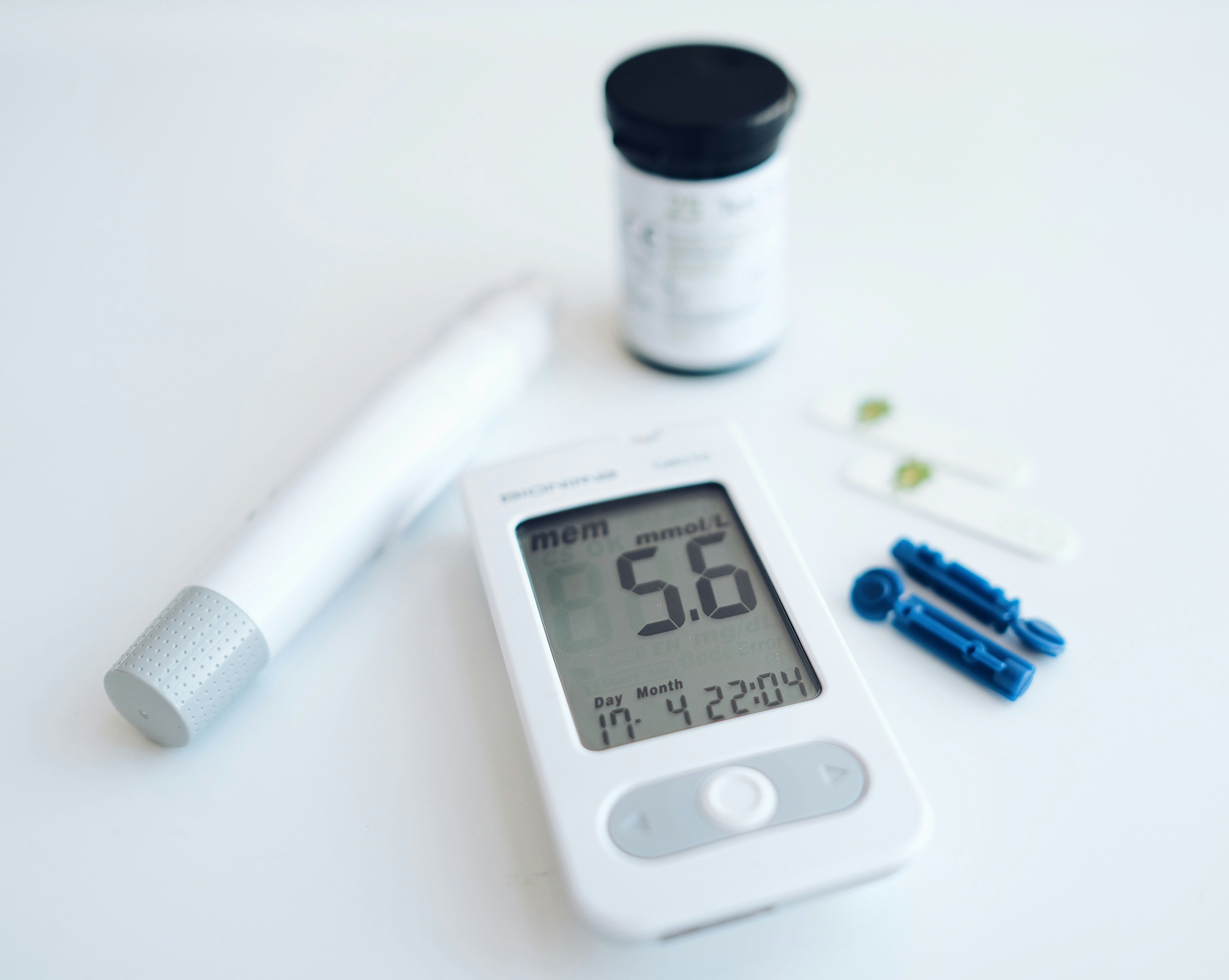
Remember that your journey is unique. Using a **blood sugar checker** can help you identify which habits are working specifically for your body. Start small—change one habit this week, and build from there.